
You're scrolling through Taobao and spot a pair of canvas shoes or vintage-style runners—nice design, decent price, but you're not in China. How do you get them? That's what a casual shoe proxy service handles. You pick the item, someone else places the order, receives it, checks the condition, packs it up, and ships it to your overseas address via international courier. It works well for overseas Chinese, international students, anyone abroad into Chinese streetwear, or when you want multiple pairs or niche brands only sold domestically.
The trickiest part isn't the purchase—it's the logistics: which shipping channel, whether to keep the shoebox, how consolidation affects cost, and whether customs might hold your package. Once you get those pieces right, all that's left is waiting for delivery. If you need a reliable way to ship shoes from China, this guide gives you a clear path from order to doorstep. We've included the services and channels from Welisen International Logistics (WELISEN), a company specializing in forwarding, consolidation, and proxy buying from China to the world. They offer 180 days of free storage and dedicated channels for sensitive goods, which makes them a solid fit for buying shoes.
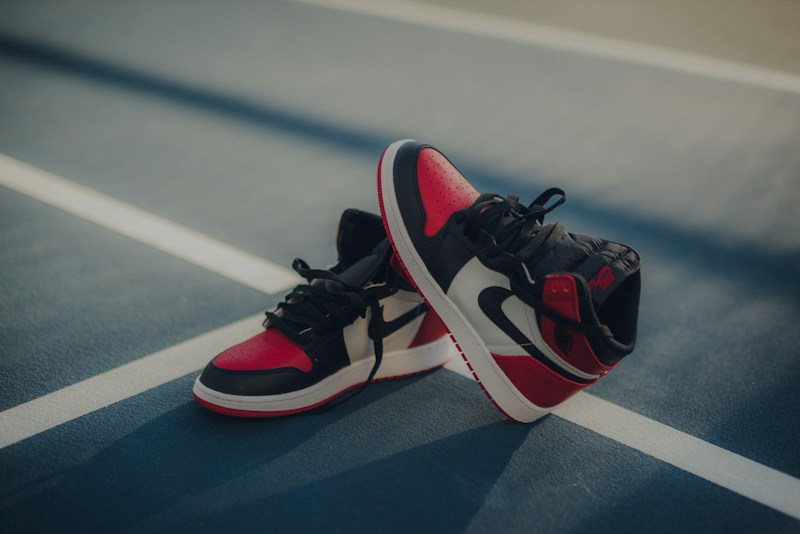
The Basic Process of Casual Shoe Proxy Buying
Step 1: Pick your shoes on a Chinese e-commerce platform. Open Taobao, Tmall, JD.com, or Pinduoduo and find the casual shoes you like. Whether it's classic brands like Warrior or Feiyue, or independent designer canvas sneakers, save the product link, size, color, and ideally confirm stock and shipping time with the seller.
Step 2: Send the product info to your proxy or forwarding company. If you don't have a domestic payment method or want an all-in-one solution, send the link directly to Welisen. They'll handle the ordering and payment, and the shoes will be sent straight to their warehouse in China. If you can pay yourself, you can buy the shoes and enter the warehouse address, then notify them to expect the delivery.
Step 3: The warehouse receives and inspects your shoes. Once the shoes arrive at Welisen's China warehouse, staff will check the order details, look for obvious defects, and verify the size. At this point you can request photos for a visual check (most forwarding companies offer this). If everything's fine, the shoes go into your personal storage space.
Step 4: Wait until all your items are here, then consolidate. If you've ordered three pairs plus some clothes or accessories, don't rush to ship. Take advantage of Welisen's warehouse with 180 days of free storage to build a bigger shipment. Once everything has arrived, request a consolidation service—they'll remove excess packaging, pack everything tightly into one box, which cuts down on space and reduces the chargeable weight.
Step 5: Choose your international shipping channel and pay the freight. After consolidation and weighing, you'll see multiple shipping options: DHL, FedEx, UPS, SF International, and more. Pick based on your budget and speed needs. Once you pay, the package enters the courier network and starts its journey abroad.
Step 6: Track your package and wait for delivery. With your tracking number, you can monitor progress on the Welisen tracking page or the carrier's website. Occasionally customs may request additional documents—just provide what's asked. Then your shoes will show up at your door.
The experience largely comes down to how quickly the domestic leg goes, how thorough the warehouse check is, how well the consolidation is done, and how reliable the international courier you choose ends up being. Costs break down into three main buckets: proxy fees (if any), freight, and potential customs duties. None of these are fixed—they all depend on shoe quantity, size, and destination. It's smart to talk with Welisen's customer service before making any decisions to get an up-to-date quote and channel recommendation.
Before Shipping, Know the Difference: General, Branded, and Imitation
Casual shoes might look straightforward, but in international logistics, they aren't all treated the same. Using the wrong channel can lead to a seized package or a return.
Ordinary unbranded shoes
Most basic canvas sneakers, plimsolls, or skate shoes without prominent logos or from non-luxury brands fall under general goods. These can go via standard international courier routes such as DHL, FedEx economy, or postal services. Customs clearance is usually straightforward.
Own-brand or authorized branded shoes
Shoes from legitimate Chinese brands like Li-Ning, Anta, or Xtep, or niche designs for which you hold authorization, typically still classify as general goods. When declaring, accurately state the brand and materials. Some countries check for intellectual property rights on branded goods, but as long as the items are authentic and you have proof of purchase, it normally goes smoothly.
Imitation and replica shoes
If the shoes clearly copy designs from international names like Nike or Adidas, or carry unauthorized logos, they belong to the sensitive category of counterfeits. Standard courier and postal services almost never accept them—you'll need a dedicated sensitive-goods channel. Welisen has such channels, which use special routes and clearance procedures. Even so, be aware: counterfeit items carry a high risk of customs inspection and seizure, shipping costs are substantially higher, and there's no guarantee of delivery. Before using these channels, always confirm the destination country's rules with customer service and understand what happens if the package gets stopped.
There's also a note: second-hand branded shoes. Some countries treat used footwear as subject to quarantine, requiring extra documentation. To be safe, always ask before buying used brand-name shoes.
And if your sneakers have built-in lights or smart features with batteries, they're treated as items with built-in batteries, another sensitive category that needs a suitable channel. Getting the channel right matters a lot, so before you buy, send the shoe details and photos to Welisen's customer service and let them suggest the best shipping method.
How Shipping Costs Are Calculated—These Factors Trump the Weight of the Shoes
Shoes don't feel heavy, but toss in the box and they take up surprising space. International freight is usually charged by chargeable weight, which is the greater of actual weight and volumetric weight. Actual weight is what it says on the scale. Volumetric weight comes from multiplying the box's length, width, and height, then dividing by a standard factor (often 5000 or 6000). A pair of canvas shoes in its box might weigh under a kilogram, but the box can balloon the volumetric weight significantly—sometimes well beyond the actual weight—so you end up paying for the space it occupies.
So how can you keep shipping costs in check? Focus on these levers:
- Skip the shoebox: Ditch the box, wrap the shoes in bubble wrap or reinforced with cardboard, and the volume shrinks noticeably. Worried about damage? Soft-sided shoes rarely get crushed. Unless they're high-end leather or collectible, losing the box is a common space-saving move.
- Consolidate multiple pairs: If you're buying several pairs, the consolidation service rearranges everything tightly, with minimal filler. The total volumetric weight after consolidation is usually lower than the sum of individual shipments, so it costs less.
- Pick the right channel: Different carriers apply different volumetric divisors and have different first-weight / additional-weight pricing. Some channels are more forgiving on volume, or have a threshold where volume isn't factored. For shoes to Europe or the US, DHL and FedEx tend to be strict on volumetric weight but fast; postal small packets are more lenient but much slower; dedicated lines sit somewhere in between. Give Welisen the estimated gross weight and rough box dimensions, and they'll compare a few channels for you.
- Use the free storage window: With 180 days of free storage, you can wait for sales or gradually group your shoe purchases into one shipment, spreading the base first-weight cost across more items.
There's no fixed price for any of this—costs shift with origin, destination, final packed dimensions, the channel selected, and surcharges active at the time. Always request a fresh quote before shipping.
To Keep or Not to Keep the Shoebox?
That's the question that divides many sneaker fans. The box carries a sense of occasion and some resale value, but for international shipping, it can be a burden.
Reasons to keep the shoebox:
- Collectibility and presentation—you might want to resell or gift later.
- Shoes with structure, like high-tops or leather, benefit from the box's support.
Reasons to remove it:
- Big volume reduction cuts freight, especially with commercial couriers.
- A smaller package may draw less attention during customs (though that's never a guarantee).
If you decide to keep the box, the warehouse can place it inside a sturdy outer carton with cushioning to protect the corners. If you go box-free, they'll usually wrap each shoe in multiple layers of bubble wrap and fill the carton with paper to hold the shape. Most buyers ask to ditch the box to save on shipping; but for limited editions or leather boots, keeping the box often makes sense.
Just a heads-up for sensitive goods: some carriers have packaging rules that may require you to forgo branded boxes. So factor that in as well.
Customs Clearance for Shoes: Will There Be Duty? What Are the Risks?
Sending shoes abroad means facing customs. No nation offers blanket duty-free treatment for all overseas shoe parcels—each country has its own rules for personal-import allowances. What triggers charges? Mostly the declared value, the number of pairs, whether they're branded, the destination's de minimis threshold (if any), and the product classification rate.
A few ordinary canvas pairs with a modest declared value often sail through customs in many countries without any charges. But send five or six pairs of the same style and size, and customs may suspect commercial intent, triggering formal entry with duties and VAT. Branded shoes, leather footwear, or high-value sneakers get more scrutiny because their dutiable value runs higher.
For imitations, the danger isn't duty—it's intellectual property. If customs decides the item infringes a trademark, they have the right to seize and destroy it, and sometimes issue a fine. This is the compliance risk you must accept before buying fakes; no shipping channel can fully sidestep it.
At clearance, you'll normally just need a commercial invoice (provided by the shipper) stating the description, quantity, material, unit price, and total value. Occasionally customs asks for proof of payment or website order screenshots—just submit them honestly. Never undervalue goods to dodge potential duty. If caught, you could face fines, return of the package, or even a black mark on your record.
So before sending, talk to Welisen's customer service about recent clearance trends and common practices for your destination, but remember: final duty-free status and charges are decided by the destination customs. Keep your purchase receipts and avoid shipping large batches of identical shoes in one go, as that can raise questions about commercial use.
Frequently Asked Questions
Q1: I don't have a Taobao account and don't read Chinese. Can Welisen handle the entire purchase for me?
Absolutely. Just send the product link or a picture, and they'll locate the item, place the order, and handle payment. The process is transparent, with inspection photos provided.
Q2: How long does it take for shoes to reach different countries?
Timing depends entirely on the channel. DHL and FedEx express are generally the fastest, but exact timelines are affected by customs, routes, and weather. Economy dedicated lines are slower but cheaper. Ask customer service for an estimated transit time to your destination before shipping.
Q3: If the shoes I buy don't fit, can I return or exchange them?
Most proxy and forwarding services only handle logistics unless you pay extra for quality checks. To return or exchange due to size, you'll need to contact the seller yourself, cover the domestic return shipping, and understand that international freight already paid won't be refunded. Double-check sizing guides before ordering.
Q4: Do sports sneakers count as casual shoes? Can they be shipped?
Sure. Running shoes, skate shoes, and canvas kicks all fall under the casual umbrella and can go via general-goods channels. For basketball shoes with air cushions, some countries have specific requirements—just declare the materials accurately.
Q5: Can I ship shoes together with clothes or bags?
Yes, that's one of the big benefits of consolidation. You can combine shoes, clothing, accessories in one box, as long as you don't include prohibited items (like lighters). Consolidation maximizes space usage.
Q6: What happens if imitation shoes get seized by customs?
Counterfeit goods are high-risk, with a much higher chance of seizure than general items. If seized, there's usually no appeal—the goods may be destroyed and you could be fined, and shipping fees are usually non-refundable. Before using a sensitive-goods channel, Welisen will explain the specific risks, and you proceed at your own risk.
Ready to Buy Shoes from China? Start with These Three Steps
Casual shoe proxy buying is easy to get into, but there are enough details to trip you up. Before you rush to order, spend a few minutes getting clear on:
- Confirm your shoe type and channel: Send the product link to Welisen and let them classify it as general or sensitive, recommend a suitable channel, and give you a freight estimate.
- Do a quick cost breakdown: Item price + possible proxy fee + estimated freight + packing fees—get a rough figure upfront.
- Figure out packaging and consolidation: Decide on shoebox or not, and whether to ship with other items. These choices directly impact the volumetric weight and final cost. And don't forget those 180 days of free storage—wait until everything's collected before you ship.
If you've already got your eye on some casual shoes, go ahead and send the link to Welisen International Logistics' customer service. Their team will walk you through the buying and shipping process, making international logistics anything but complicated.
Welisen International Logistics
Making global logistics simple, worry-free overseas shopping
WhatsApp/Phone: +86 132 2639 0888
Website: https://www.welisen.com